%20(360%20x%20120%20px).svg)

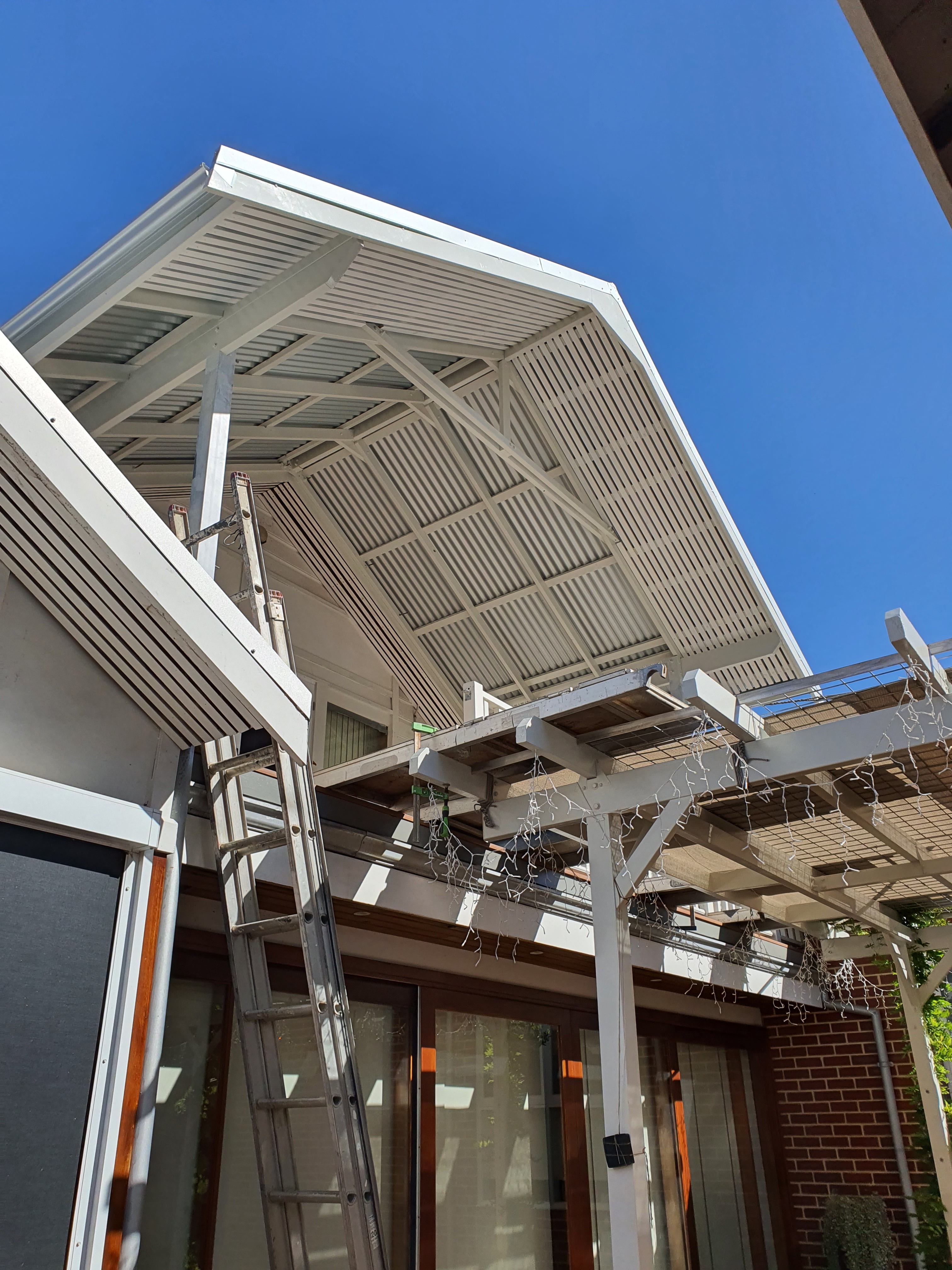
Perth summers are hard on a roof. Months of harsh sun, then the winter rain arrives and finds every weak spot you didn't know you had. The good news is that most roof problems give you plenty of warning if you know what to look for, and catching them early is the difference between a quick repair and a much bigger bill.
Here's what's worth keeping an eye on before the wet weather sets in.
Cracked, slipped or missing tiles. Tiles take a beating over summer, and a single cracked or dislodged one is an easy path for water to get underneath. From the ground, look for tiles sitting unevenly, gaps in the pattern, or pieces that have slid out of line.
Rust or a worn coating on metal roofs. On Colorbond and other metal roofs, keep an eye out for rust spots, flaking paint, or dull patches where the protective coating has worn thin. Left alone, small rust areas spread and eventually let water through.
Gutters that are blocked or sagging. Gutters full of leaves and debris can't move water away from your roof, so it backs up and overflows, often straight into the eaves or wall. If your gutters are sagging, pulling away from the fascia, or overflowing in a downpour, they need attention.
Lifting or cracked ridge capping. The capping along the ridges and hips holds everything together at the joins. When the mortar cracks or the capping lifts, water gets in at the worst possible point. This is one of the most common causes of roof leaks we see.
Stains or damp inside. Water marks on ceilings, damp patches in the top corners of rooms, or a musty smell in the roof space all suggest water is already getting in. By that stage it has usually spread further than it looks, so it's worth acting quickly.
Daylight in the roof space. If you can safely get a look inside your roof cavity, any daylight coming through where it shouldn't means there's a gap letting weather in too.
Moss or heavy growth. Patches of moss or lichen hold moisture against the roof and can lift tiles over time, especially on shaded sections that never fully dry out.
None of this means the sky is falling. A lot of these are small, cheap fixes when they're caught early. The trouble only starts when they're left through a wet winter and turn into rotten timber, damaged ceilings and a repair that costs many times what it would have.
If you're not sure what shape your roof is in, we're happy to take a look and tell you honestly what needs doing and what can wait. No scare tactics, just a straight assessment before the rain arrives.